
The IB Career-related Programme is unique to Lomond.  We have a choice of ten career-related studies including an HNC in Business or Engineering or eight Level Three courses. The IBCP pathway offers vocational and contextualised learning for pupils who are planning on pursuing further/higher education or even immediate employment in these fields.  
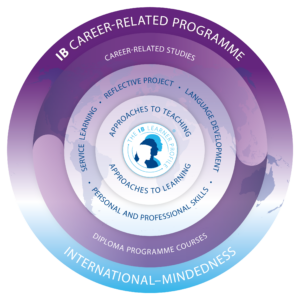
The programme comprises a mix of academic courses from the IB Diploma Programme alongside a career related study, (in our case either an HNC in Business or HNC in Engineering or several Level 3 courses) with real-world approaches to learning and work placements throughout. It provides a flexible pathway which both challenges the most able and supports those who may not be naturally aligned to a purely academic pathway.

Career-related Programme pupils undertake a minimum of two IB Diploma Programme (DP) courses, a core consisting of four components and a career-related study.


HNC Business

The HNC Business qualification offered by the Scottish Qualifications Authority (SQA) is designed to provide learners with a solid foundation in various aspects of business management. Throughout the course, students will explore key areas such as marketing, economics, accounting, human resource management, and business law. They’ll develop essential skills like critical thinking, problem-solving, communication, teamwork, and decision-making. The HNC Business program aims to equip individuals with the knowledge and understanding needed to succeed in a wide range of business-related roles or progress onto further studies at an advanced level. It offers a comprehensive overview of the principles and practices that underpin successful businesses. By completing this qualification, students can enhance their employability prospects across different sectors and industries. Whether they aspire to work in finance, sales and marketing, operations management, or even start their own ventures someday – the HNC Business SQA provides them with valuable insights into how organisations function and thrive.

HNC Mechanical Engineering

The HNC in Mechanical Engineering is designed to provide learners with a strong foundation in various aspects of mechanical engineering principles and practices. It covers a wide range of topics, including engineering mathematics, thermodynamics, fluid mechanics, materials science, manufacturing processes, and more. Throughout the course, students will develop practical skills through hands-on projects and laboratory work. They’ll also gain theoretical knowledge that can be applied to real-world engineering challenges. The program aims to equip individuals with the necessary technical expertise and problem-solving abilities required for a successful career in mechanical engineering. By completing this qualification, students can pursue opportunities in diverse fields such as automotive engineering, aerospace industry, energy sector, manufacturing companies, research and development organizations, and consulting firms. They may find employment as design engineers, maintenance technicians, project managers, or even progress onto further studies at an advanced level. The HNC Mechanical Engineering SQA provides learners with a solid understanding of core engineering principles while nurturing their creativity and analytical thinking. It prepares them to contribute effectively to the ever-evolving field of mechanical engineering.

Level 3 - Music Composition for Film and Video Games

As part of Lomond School’s continued commitment to offering creative and vocationally focused pathways, we are developing an IB Career-related Programme (IBCP) specialisation in Music Composition for Film and Video Games.

This pathway is designed for pupils with a strong interest in music, sound design, and digital storytelling, who wish to pursue further study or employment in the creative industries. The programme blends academic study with technical training and professional experience in the fields of music and media production.

Career-Related Study (CRS)

Pupils following this pathway will complete a structured programme combining professional online learning, Higher National Certificate (HNC) modules, and SQA Higher Music as an assessed component of the CRS. Together, these elements provide a strong creative, technical, and business foundation for progression to further study or industry roles.

Core CRS Components:

  1. ThinkSpace Education – “How to Write Video Game Music”
  • Delivered online by ThinkSpace Education (University of Chichester partner institution)
  • Approx. 150 guided learning hours
  • Focus areas include:

    • Composition for film, television, and interactive media
    • Understanding non-linear and adaptive music systems (e.g. FMOD, Wwise)
    • Sound design, orchestration, and mixing for cinematic and game environments
    • Project-based portfolio development and professional workflow management

  1. SQA Higher Music
  • Delivered at Lomond School as part of the CRS
  • Focus on composition, performance, and listening skills
  • Provides formal assessment and certification recognised for university entry
  • Reinforces the creative and theoretical skills that underpin the ThinkSpace course

  1. Supporting HNC Modules:
    To extend professional and entrepreneurial competencies, pupils complete selected units from:
  • HNC Managing People and Organisations (MPO) – Recording, sequencing, and performance techniques
  • HNC Business Fundamentals and Emerging Technology (BFET) – Project management, budgeting, and creative entrepreneurship
  • HNC Business Planning – Marketing, intellectual property, and business practices in the creative industries

This combined CRS ensures pupils develop both the creative artistry and commercial understanding essential for a sustainable career in music and media.

IB Subject Offerings

Pupils will complete a minimum of two IB Diploma subjects to complement their CRS focus.

IBCP Component

Subject / Course

Career-Related Study

ThinkSpace “How to Write Video Game Music” (150 GLH) + SQA Higher Music + HNC MPO, BFET, and Business Planning

IB Standard Level (SL or HL) 1

English (Literature)  – we would recommend but could be a subject of personal interest

IB Subject 2 (SL or HL)

One subject of personal interest


IBCP Core

All pupils complete the IBCP Core, which bridges their academic and career-related learning:

  • Personal and Professional Skills (PPS):
    Develops creativity, teamwork, problem-solving, communication, and ethical awareness in professional contexts.
  • Reflective Project:
    A sustained inquiry into an ethical issue related to the creative industries, such as AI-generated music, representation in gaming soundtracks, or copyright and artistic ownership.
  • Community Engagement
    Pupils may compose or perform for school events, mentor younger musicians, or collaborate on digital media projects supporting local creative initiatives.
  • Language and Cultural Studies
    Encourages additional language acquisition, fostering global collaboration within the entertainment industry.

Outcomes and Progression

This pathway provides pupils with:

  • A professional portfolio demonstrating composition and production skills
  • Recognised qualifications supporting entry to post school  study or creative apprenticeships
  • Transferable entrepreneurial and digital skills for roles in film, television, gaming, and music production


Level 3 - Law

The IB Career-related Programme (IBCP) in Law is designed for students who are interested in legal systems, justice, debate, and the application of law in real-world contexts. This pathway combines academic study with career-focused learning and is well suited to students considering future study or careers in law, criminology, politics, international relations, human rights, or related fields.

Career-related Study (CRS): Online Law Course

The Career-related Study (CRS) for this pathway is delivered through a recognised online Law course. This allows students to engage with core legal concepts while maintaining flexibility alongside their school-based academic studies.

The online CRS typically covers key areas such as the foundations of law and legal systems; criminal and civil law; human rights and justice; legal reasoning and argument; ethics and responsibility within the legal profession; and an introduction to legal research and case analysis.

The online delivery model encourages independent learning, organisation, and professional responsibility. It is particularly well suited to students who are motivated by discussion, critical thinking, and applied learning, and who benefit from seeing how academic ideas translate into real legal contexts.

IB Diploma Subjects (Academic Study)

Alongside the career-related study, students continue with IB Diploma subjects to ensure academic breadth and intellectual challenge.

The IBCP formally recommends two Diploma subjects, we advise three IB subjects at HL for a Law pathway, subjects such as History and English support the development of skills essential for legal study, including critical analysis, evaluation of evidence, written and oral communication, and structured argument.

This balance ensures that students remain academically rigorous while also benefiting from the flexibility of the IBCP model.

Work Experience and Legal Enrichment

A core element of the Law IBCP pathway is regular, structured work experience linked to the legal field. This may include placements or shadowing opportunities with solicitors’ firms, courts, local councils, advocacy organisations, or related professional settings.

Students may also engage in enrichment activities such as mock trials, debating, legal research projects, or public speaking opportunities. These experiences allow students to apply legal concepts in authentic contexts and develop confidence, professionalism, and insight into legal careers.

The IB Core (Compulsory Elements)

All students complete the IBCP Core, which is a defining feature of the programme and is highly valued by universities and employers.

The Reflective Project involves an independent piece of research into an ethical issue connected to law or justice, such as access to justice, punishment and rehabilitation, human rights, or equality before the law. This develops research skills, critical thinking, and academic writing.

Community Engagement involves meaningful service linked to law, citizenship, or community engagement. This may include volunteering with community organisations, supporting advocacy or awareness campaigns, or participating in service activities that promote fairness, inclusion, or social responsibility. Students reflect on the impact of their service and their personal growth.

Personal and Professional Skills (PPS) is a structured programme that develops essential skills for life and work, including communication, collaboration, ethical decision-making, time management, resilience, self-reflection, and preparation for future study or employment.

Language and Cultural Studies develops key skills for pupils considering Law, including clear communication, critical reading, and structured argument. Pupils explore how language and culture shape meaning, power, and interpretation, helping them understand how laws operate in different social and cultural contexts.

Who This Pathway Suits

The Law IBCP pathway is well suited to students who are curious about how societies are governed, who enjoy discussion and debate, and who are motivated by learning that connects theory with real-world issues. It particularly benefits students who thrive in applied learning environments and who value flexibility alongside academic challenge.

Benefits of the IBCP Law Pathway

This pathway combines academic study with applied, career-relevant learning and offers flexibility through an online career-related study. It is well regarded by universities and training providers, supports strong preparation for further study in law and related disciplines, and encourages independence, confidence, and reflective learning. It keeps multiple progression routes open, including university study, professional training, and a wide range of humanities and social science pathways.

Level 3 - Sports Psychology

The IB Career-related Programme (IBCP) in Sports Psychology is designed for students who are interested in the relationship between mind, behaviour, and athletic performance. This pathway combines academic study with applied, career-focused learning and is well suited to students considering future study or careers in sports psychology, sport science, coaching, performance analysis, wellbeing, or related fields.

Career-related Study (CRS): Online Sports Psychology Diploma Course

The Career-related Study (CRS) for this pathway is delivered through an online Sports Psychology Diploma Course provided by the Centre of Excellence. This course allows students to study flexibly alongside their school-based programme while gaining structured, industry-relevant knowledge in sports psychology.

https://www.centreofexcellence.com/shop/sports-psychology-diploma-course-v2/

The course covers key areas such as the foundations of sports psychology; motivation and goal-setting; confidence, anxiety, and arousal management; focus and concentration; mental skills training; team dynamics and leadership; coping strategies; and the application of psychology to training, performance, and athlete wellbeing.

Students complete module-based assessments and achieve a recognised diploma with CPD certification. This provides clear evidence of applied learning and supports progression into further study or training. The online delivery model is particularly well suited to students who are actively involved in sport, as it allows flexibility around training, competition, and recovery while maintaining academic rigour.

IB Diploma Subjects (Academic Study)

Alongside the career-related study, students continue with IB Diploma subjects to ensure academic breadth and challenge. The IBCP formally recommends two Diploma subjects, (our preference is 3 HL’s at this stage) allowing students to balance academic study with the demands of sport and training.

Subjects that complement a Sports Psychology pathway may include, Biology, Sports, Exercise and Health Science, or English, supporting the development of analytical thinking, scientific understanding, and communication skills.

Work Experience and Enrichment

A central element of this pathway is regular, structured work experience linked to sport and performance. This may include supporting school or local sports teams, assisting with coaching or training sessions, observing performance or wellbeing support roles, or contributing to sport-related projects.

This practical experience allows students to apply psychological concepts in real contexts, develop professional skills, and build insight into potential future careers.

The IB Core (Compulsory Elements)

All students complete the IBCP Core, which is a defining feature of the programme and is highly valued by universities and employers.

The Reflective Project involves an independent piece of research into an ethical issue connected to sport or sports psychology, such as pressure in elite sport, mental health in athletes, or the ethics of performance enhancement. This develops research skills, critical thinking, and academic writing.

Community Engagement involves meaningful service linked to sport or wellbeing, such as mentoring younger athletes, supporting inclusive sport initiatives, or contributing to community health and fitness programmes. Students reflect on both the impact of their service and their personal development.

Personal and Professional Skills (PPS) is a structured programme that develops essential skills for life and work, including communication, collaboration, resilience, goal-setting, time management, ethical decision-making, and reflective practice.

Language and Cultural Studies element of the IBCP core helps students develop strong communication skills, cultural awareness, and reflective thinking. For those interested in sports psychology, this is particularly valuable, as it builds an understanding of how language, culture, and identity influence motivation, behaviour, team dynamics, and mental wellbeing. Students learn to communicate sensitively, consider different perspectives, and reflect on human behaviour across contexts — all core skills for working effectively with athletes from diverse backgrounds in high-pressure environments.

Who This Pathway Suits

The Sports Psychology IBCP pathway is well suited to students who are passionate about sport and human behaviour, curious about mental performance and wellbeing, and motivated by learning that connects theory with real-world application. It particularly benefits students who thrive in applied learning environments and who value flexibility alongside academic challenge.

Benefits of the IBCP Sports Psychology Pathway

This pathway combines academic study with applied, industry-relevant learning and offers flexibility through an online career-related study. It is well regarded by universities and training providers, supports strong preparation for further study in psychology or sport-related disciplines, and encourages independence, resilience, and reflective learning. It keeps multiple progression routes open, including university, sport science, coaching, wellbeing, and allied professional pathways.

Level 3 - Acting and Performance

The IB Career-related Programme (IBCP) in Acting and Performance is designed for students who are passionate about the performing arts and who benefit from a programme that combines academic study with professional, career-focused training. It is particularly well suited to students interested in acting, musical theatre, and performance-based careers, while still maintaining strong academic rigour.

Career-related Study (CRS): Online Acting and Performance Course

The core of this pathway is the Career-related Study (CRS), which is delivered through a recognised online Acting and Performance course. This allows students to access industry-relevant training while maintaining flexibility around rehearsals, performances, auditions, and external workshops.

https://www.centreofexcellence.com/shop/introduction-to-acting-and-performance-diploma-course/

The online CRS provides structured learning in key areas such as acting technique and character development; voice, movement, and physical performance; musical theatre and performance skills; audition preparation and professional practice; and reflective performance analysis and self-evaluation.

The online delivery model supports students who are already actively involved in acting and musical theatre, recognising that significant learning happens beyond the classroom. It also encourages independence, self-discipline, and professional responsibility, which are essential for progression in the performing arts.

IB Diploma Subjects (Academic Study)

Alongside the career-related study, students continue with IB Diploma subjects to ensure academic breadth and intellectual challenge.

The IBCP formally recommends two Diploma subjects, we advise three at HL. This structure allows students to maintain strong academic foundations, balance coursework with rehearsal and performance commitments, and develop transferable skills such as critical analysis, communication, and reflective thinking.

Work Experience and Performance Enrichment

A key expectation of this pathway is regular acting and musical theatre work experience. This may include theatre companies or youth theatre programmes; musical theatre workshops and short courses; rehearsals, performances, and auditions; and community or outreach arts projects.

This practical experience complements the online CRS and ensures that learning is applied, relevant, and authentic, supporting the development of a strong performance portfolio and readiness for auditions.

The IB Core (Compulsory Elements)

All students complete the IBCP Core, which is a defining feature of the programme and is highly valued by universities, conservatoires, and employers.

The Reflective Project involves an independent research project exploring an ethical issue linked to the performing arts, such as representation, access, identity, or the role of theatre in society. This develops research skills, academic writing, and ethical awareness.

Community Engagement involves practical service activities connected to performance, such as supporting school productions, drama outreach, community theatre, or arts workshops. Students reflect on the impact of their service and their personal growth.

Personal and Professional Skills (PPS) is a structured programme that develops essential life and career skills, including communication and collaboration; confidence, resilience, and self-management; time management and organisation; professional conduct and audition preparation; and reflection on strengths, challenges, and future goals.

The Language and Cultural Studies core unit supports students interested in acting and performance by developing a deep understanding of how language, culture, and context shape meaning, identity, and expression. Through analysis, discussion, and reflection, pupils explore different perspectives and ways stories are told, helping them build authenticity, empathy, and interpretive skills — all essential for performance, character development, and working confidently in diverse creative settings.

Who This Pathway Suits

The Acting and Performance IBCP pathway is well suited to students who are highly motivated by practical, performance-based learning; are committed to acting, musical theatre, or creative performance; benefit from flexibility alongside rehearsals and performances; and thrive when learning is applied, purposeful, and career-focused.

It supports students in developing as confident performers while also becoming reflective, organised, and independent learners.

Benefits of the IBCP Acting and Performance Pathway

This pathway combines academic study with professional performance training and offers flexibility through an online CRS, supporting external commitments. It is highly regarded by universities, drama schools, and conservatoires, supports strong portfolios and audition preparation, encourages independence, resilience, and self-motivation, and keeps multiple progression routes open, including university, drama school, and professional training.

Level 3 - Veterinary Science

As part of our continued efforts to support students with clear vocational interests, Lomond School is developing a dedicated veterinary science pathway within the International Baccalaureate Career-related Programme (IBCP). This initiative is designed for pupils seeking progression into veterinary medicine, animal care, and related disciplines.

Career-Related Study (CRS)

Pupils following the veterinary pathway will undertake a vocational qualification in one of the following areas:

  • Horse Care and Management Diploma
  • Equine Psychology Diploma

These courses are delivered online by the Centre of Excellence and are endorsed by the Quality Licence Scheme (QLS), which is part of the Skills and Education Group. Each course involves approximately 150 guided learning hours and includes formal assessment and certification.

Key areas covered include:

  • Equine health and welfare
  • Stable and pasture management
  • Behavioural science and psychological theory
  • Nutrition and exercise science
  • Practical care practices and ethics in animal welfare

This flexible, remote learning model allows pupils to study independently while receiving support through structured coursework and assignments. Where possible, practical experiences and placements in local stables or animal care environments will be encouraged to supplement learning.


IB Subject Offerings

In addition to the CRS, students will complete a combination of Higher Level and Standard Level IB courses that support their veterinary aspirations:

IBCP Component

Subject Choices

Career-Related Study

Horse Care and Management OR Equine Psychology (QLS-accredited)

Higher Level (HL) 1

Biology

Higher Level (HL) 2

Chemistry

Standard Level (SL) 1

Mathematics (Applications and Interpretation OR Analysis and Approaches)

Standard Level (SL) 2

English Literature

IBCP Core

Personal and Professional Skills, Reflective Project, Service Learning, Language Development

IBCP Core Requirements

All IBCP students engage in the core elements designed to foster holistic development and critical thinking:

  • Personal and Professional Skills (PPS): Develops practical communication, ethics, and intercultural understanding.
  • Reflective Project: Pupils conduct an in-depth inquiry into an ethical issue related to their field, such as animal testing, treatment of working animals, or wildlife conservation.
  • Service Learning: Pupils undertake sustained voluntary work in veterinary practices, animal shelters, or equine centres.
  • Language Development: Supports additional language learning, enhancing global competency and communication.

Outcomes and Progression

This veterinary-focused IBCP aims to:

  • Prepare students for further study in veterinary science, animal welfare, and related disciplines
  • Provide a balance of academic rigour and vocational relevance
  • Offer a meaningful alternative to A-Levels or the full IB Diploma for pupils with a specific career goal

We are currently exploring opportunities for articulation into university-level veterinary science programmes, and welcome dialogue with institutions who are open to recognising this innovative and focused pathway.

Level 3 - Animal Care

The IB Career-related Programme (IBCP) in Animal Care is designed for students who are passionate about working with animals and who want a programme that combines academic study with practical, career-focused learning. This pathway supports students interested in careers such as animal welfare officer, animal care assistant, zoo keeper, wildlife rehabilitation worker, veterinary support roles, animal behaviour and welfare education, or further study in animal science and related disciplines.

Career-related Study (CRS): Online Animal Welfare Diploma Course

The Career-related Study (CRS) for this pathway is the online Animal Welfare Diploma Course provided by the Centre of Excellence. This course allows students to build a strong foundation in animal care and welfare while studying flexibly alongside their school-based programme.

The course covers key areas such as principles of animal welfare and responsible ownership; safe handling and restraint of animals; housing, nutrition, and environmental needs; recognising signs of good and poor health; basic first aid and emergency care; managing risks and hazards; and understanding ethical responsibilities and relevant legislation.

The online delivery model supports independent learning and allows students to link theory directly to practice in real animal care environments. It is particularly well suited to students who are motivated by hands-on learning and who wish to develop professional awareness alongside academic study.

IB Diploma Subjects (Academic Study)

Alongside the career-related study, students continue with IB Diploma subjects to ensure academic breadth and challenge. The IBCP formally recommends two Diploma subjects, allowing students to balance academic study with practical commitments.

Subjects that complement an Animal Care pathway may include Biology, Geography, or English. These subjects support understanding of animal biology and behaviour, ecosystems and conservation, ethical reasoning, and effective communication.

Work Experience and Practical Enrichment

A core strength of the Animal Care pathway is regular, structured work experience in animal-related settings. This may include placements or volunteering with animal shelters, rescue centres, veterinary practices, wildlife parks, conservation projects, kennels, catteries, or animal sanctuaries.

Through these placements, students develop practical skills such as animal handling and care, monitoring health and welfare, preparing food and environments, following safety procedures, and working professionally with staff and the public. This experience is essential for building confidence, competence, and insight into animal care careers.

The IB Core (Compulsory Elements)

All students complete the IBCP Core, which enhances both personal development and progression opportunities.

The Reflective Project involves independent research into an ethical issue related to animal care or welfare, such as animal rights, conservation ethics, captive animal management, or responsible breeding. This develops research skills, critical thinking, and academic writing.

Service Learning involves meaningful service connected to animal welfare, such as volunteering with local animal charities, supporting educational outreach on responsible pet ownership, or contributing to fundraising and awareness campaigns. Students reflect on the impact of their service and their own learning.

Personal and Professional Skills (PPS) develops essential skills for life and work, including communication, collaboration, ethical decision-making, resilience, time management, reflective practice, and preparation for future study or employment.

Who This Pathway Suits

The Animal Care IBCP pathway is well suited to students who are passionate about animal welfare, enjoy practical and applied learning, and are motivated by careers that involve responsibility, care, and ethical decision-making. It particularly benefits students who thrive when learning connects directly to real-world experience.

Benefits of the IBCP Animal Care Pathway

This pathway combines academic study with applied, career-relevant learning and offers flexibility through an online career-related study. It is well regarded by further education providers and employers, supports progression into vocational training or university study, and encourages independence, resilience, and reflective learning. It keeps multiple progression routes open, including animal management, veterinary support, conservation, education, and related scientific or vocational pathways.

Level 3 - Primary Education

The IB Career-related Programme (IBCP) in Primary Education is designed for students who are passionate about working with children and supporting their learning and development. This pathway combines academic study with a career-focused online course in early years education and extensive hands-on experience in primary school settings. It is ideal for students interested in future careers in primary teaching, educational support roles, child development, educational psychology, and related areas.

Career-related Study (CRS): Online Childcare and Early Learning Diploma Course

The Career-related Study (CRS) for this pathway is the online Childcare and Early Learning Diploma Course provided by the Centre of Excellence. This CPD-accredited course introduces students to core principles of childcare, early learning, and child development, helping build both confidence and foundational knowledge for working with young learners.

https://www.centreofexcellence.com/shop/childcare-early-learning-diploma-course/

The course covers areas such as:

  • Understanding how children grow, develop, and learn
  • Health, safety, and safeguarding in early learning settings
  • Supporting physical, social, emotional and cognitive development
  • Communication with children, parents, and professionals
  • Planning activities and environments that support learning
  • Approaches to supporting children with diverse needs
  • Exploring potential roles such as early years educator, teaching assistant, or early years teacher

This online CRS is flexible and self-paced, allowing students to integrate theory with school-based practice. It supports progression towards further education, professional training, and employment in the education sector.

IB Diploma Subjects (Academic Study)

Alongside the career-related study, students undertake IB Diploma subjects to ensure academic breadth and challenge. The IBCP formally recommends two Diploma subjects, and for a Primary Education pathway  we advise three HL’s.

This combination ensures students develop a strong academic foundation while building skills relevant to education and child development.

Work Experience and Primary Teaching Enrichment

A central element of this pathway is regular, structured work experience in primary school settings, especially during Transitus years and at Clarendon Primary School (or a similar partner school). This will allow students to deepen practical understanding of teaching and learning, including:

  • Learning how to support phonics instruction in early reading and writing, based on systematic approaches such as synthetic phonics, helping children blend sounds into words and build literacy skills.
  • Supporting handwriting development and writing readiness by providing activities that build hand-eye coordination and letter formation skills in early learners.
  • Assisting with Additional Support for Learning (SFL) activities, working with small groups or individual pupils to provide differentiated support and inclusive learning strategies
  • Observing and supporting teachers during literacy, numeracy, and classroom routines across Nursery through P7
  • Participating in planning, assessment, and reflective evaluation as part of professional practice

These experiences will develop students’ confidence, professional communication, classroom management awareness, and understanding of curriculum implementation in real educational settings.

The IB Core (Compulsory Elements)

All students complete the IBCP Core, which enriches the programme and strengthens progression to further study or careers in education.

The Reflective Project requires independent research into an educational topic such as early literacy development, effective phonics teaching, inclusive classroom practice, or child wellbeing. This project develops inquiry skills, research literacy, and written communication.

Community Engagement involves meaningful service activities that relate to education, such as supporting after-school clubs, holiday programmes, peer tutoring, or community literacy initiatives. Students reflect on the impact of their service and their personal growth.

Personal and Professional Skills (PPS) is a structured programme that builds essential competencies, including communication and collaboration, ethical decision-making, resilience, time management, reflective practice, and preparation for professional roles.

The Language and Cultural Studies core unit prepares pupils well for primary teaching by developing strong communication skills, cultural awareness, and reflective thinking. Pupils explore how language shapes understanding and how culture influences learning, behaviour, and identity. This helps future teachers communicate clearly, support diverse learners, and create inclusive classrooms where children feel understood, valued, and engaged.

Who This Pathway Suits

The Primary Education IBCP pathway is ideal for students who are:

  • Passionate about working with children and supporting learning
  • Motivated by practical, applied learning alongside academic study
  • Interested in developing classroom-based and professional skills
  • Curious about how children learn and how educational environments can support that learning

This pathway develops students as confident, reflective learners with strong foundations for careers in education, child development, and allied sectors.

Benefits of the IBCP Primary Education Pathway

This pathway combines academic study with applied, career-focused learning. The online Childcare and Early Learning Diploma Course provides a respected foundation in child development and education theory, while extensive school work experience prepares students for real-world teaching and support roles. The programme is well regarded by further education providers and employers, supports strong portfolios and professional insight, and encourages independence, resilience, and reflective practice. It keeps multiple progression routes open, including teacher education programmes, educational psychology, early years leadership, and community-based educational roles.


Level 3 - Nursing and Allied Health Professions

Proposed IB Career-related Programme (IBCP): Nursing Pathway

The IB Career-related Programme (IBCP) in Nursing is designed for students who are passionate about healthcare and supporting others. This pathway combines academic study with career-focused learning and practical experience, and is well suited to students considering future careers or higher education in nursing, allied health professions, or wider healthcare roles.

Career-related Study (CRS): First Steps to Nursing Programme

The Career-related Study (CRS) for this pathway is a First Steps to Nursing programme designed to support students who are considering progression into nursing degree courses. The course is delivered primarily online, with structured tasks that introduce students to the academic, professional, and practical expectations of nursing study.

Through this programme, students:

  • Select a health condition as a focus for sustained study

  • Complete regular online learning tasks that develop skills in research, academic writing, referencing, and numeracy

  • Learn how to manage workload, meet deadlines, and work independently

  • Become familiar with university-style learning platforms and assessment methods

  • Produce a written assignment on a health-related topic and a reflective statement evaluating their learning and development

Successful completion of this programme provides students with recognised academic credit and a strong foundation for progression into nursing courses, helping to demonstrate commitment, preparedness, and suitability for further study in healthcare.

IB Diploma Subjects (Academic Study)

Alongside the career-related study, students continue with IB Diploma subjects to ensure academic breadth and challenge. The IBCP formally recommends two Diploma subjects, allowing students to balance academic demands with healthcare-focused learning. However, we recommend three HL’s for university entry.

Subjects that complement a Nursing pathway include Biology, Sports, Exercise and Health Science, Chemistry, or English. These subjects support understanding of human health and behaviour, scientific enquiry, ethical reasoning, and clear communication.

Work Experience and Healthcare Enrichment

A central element of the Nursing IBCP pathway is regular, structured work experience in healthcare or care-related settings. This may include placements or volunteering in hospitals, GP practices, care homes, community health settings, hospices, or wellbeing organisations.

Through this experience, students gain insight into patient care, confidentiality, professional conduct, teamwork, and the day-to-day realities of healthcare environments. Where appropriate, students may observe clinical practice, support care routines, and reflect on different nursing roles and specialisms.

The IB Core (Compulsory Elements)

All students complete the IBCP Core, which is a defining feature of the programme and is highly valued by universities and employers.

The Reflective Project involves independent research into an ethical issue linked to healthcare or nursing, such as patient consent, confidentiality, mental health care, equality of access, or professional responsibility. This develops research skills, ethical awareness, and academic writing.

Service Learning involves meaningful activity connected to health and wellbeing, such as volunteering with community health initiatives, supporting care organisations, assisting with health promotion activities, or contributing to wellbeing projects. Students reflect on the impact of their service and their personal development.

Personal and Professional Skills (PPS) develops essential skills for healthcare careers, including communication and teamwork, empathy and professionalism, resilience and self-management, ethical decision-making, reflective practice, and preparation for further study or employment.

The Language and Cultural Studies core unit prepares pupils for nursing by strengthening communication, cultural awareness, and reflective skills. Pupils learn how language and culture shape patient experiences, supporting empathetic care, ethical decision making, and effective work in diverse healthcare environments.

Who This Pathway Suits

The Nursing IBCP pathway is well suited to students who are compassionate, responsible, and interested in supporting others. It particularly benefits students who thrive in applied learning environments and who value practical experience alongside academic study.

Benefits of the IBCP Nursing Pathway

This pathway combines academic study with applied, career-relevant learning and offers flexibility through a structured career-related study that supports progression into nursing courses. It helps students develop confidence, professionalism, and reflective capability, and is well regarded by further education providers and healthcare training institutions. The programme keeps multiple progression routes open, including nursing degrees, allied health professions, healthcare apprenticeships, and wider health and life science pathways.

The DP courses provide the theoretical underpinning and academic rigour of the programme; the career-related study further supports the programme’s academic strength and provides practical, real-world approaches to learning and the CP core helps them to develop skills and competencies required for lifelong learning.

The core components are:

Personal and professional skills

This course aims to develop responsibility, practical problem-solving, good intellectual habits, ethical understandings, perseverance, resilience, an appreciation of identity and perspective, and an understanding of the   complexity of the modern world. Emphasis is on the development of skills needed to successfully navigate higher education, the workplace and society.

Service Learning

This is the practical application of knowledge and skills towards meeting an identified community need. Through service, pupils develop and apply personal and social skills in real-life situations involving decision-making, problem-solving, initiative, responsibility and accountability for their actions.

Language development

This ensures that all pupils have access to and are exposed to an additional language, which is a central tenet of an IB education and will increase their understanding of the wider world. Pupils are encouraged to begin or extend the study of a language other than their best language that suits their needs, background and context. It develops pupils in the areas of oral, visual and written linguistic communicative abilities.

Reflective project

This is an in-depth body of work produced over an extended period of time. Through the reflective project, pupils identify, analyse, discuss and evaluate an ethical dilemma associated with an issue from their career-related studies. This work encourages pupils to engage in personal enquiry, intellectual discovery, creativity, action and reflection and to develop strong thinking, research and communication skills.

You can find out more about the IB Career-related Programme here

IB Diploma Programme

Book a Tour

To find out more about how we engender hard work and determination in our young people, come and visit us and meet our dedicated teaching staff and speak to our pupils.